It can be tempting to put most of your marketing effort into the platform that seems to be working right now. Maybe your Facebook page brings in inquiries, Instagram is growing your audience, YouTube is getting views, or Google is sending people to your website. When something works, it makes sense to put more time into it.
The problem comes when that one platform becomes your entire marketing strategy.
A social platform can change its algorithm. A search engine can change how results are displayed. An account can lose reach. A platform can become less popular with your audience. Even your own customers can change the way they research and buy.
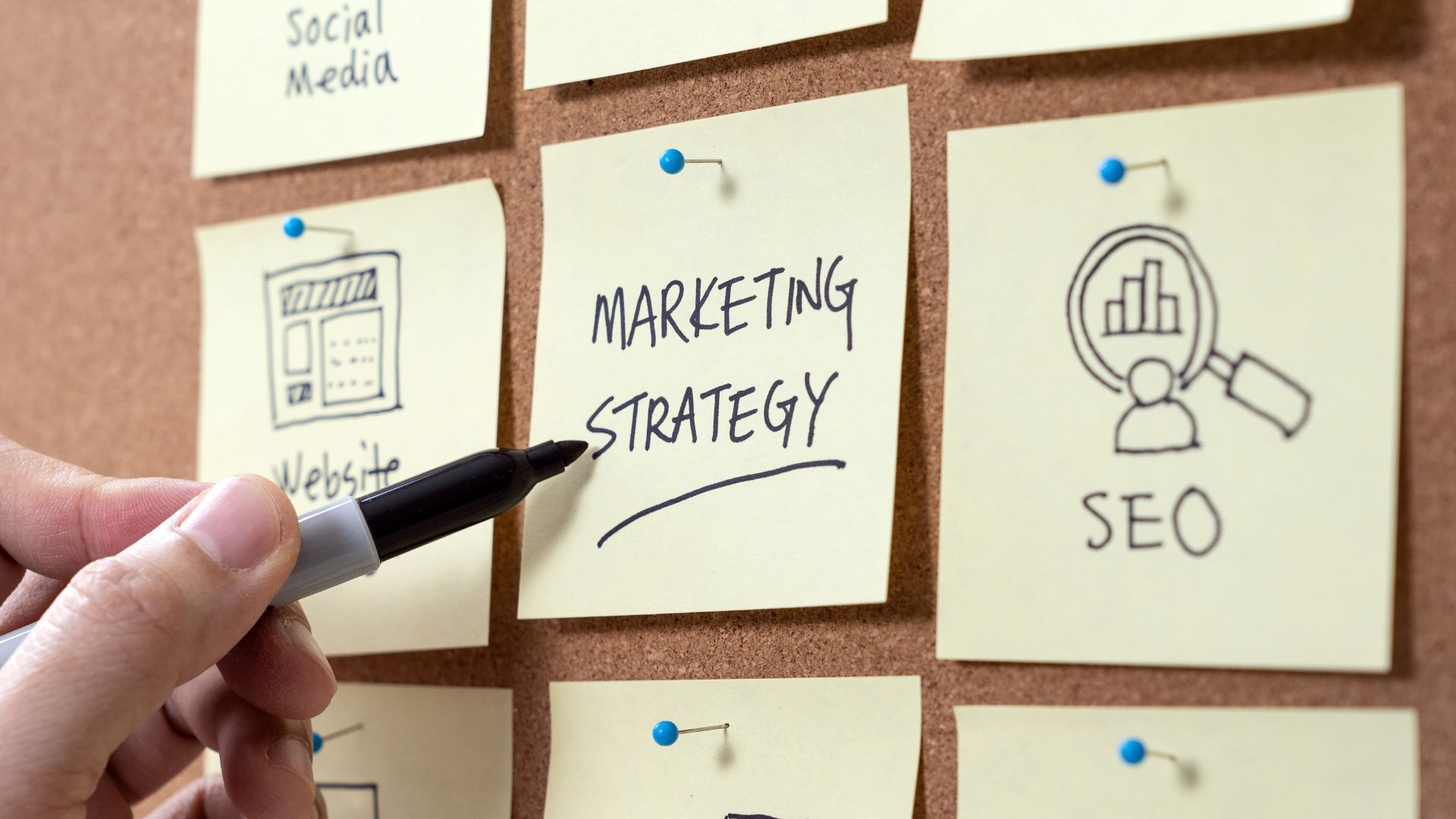
That’s why a multi-channel marketing strategy matters. Instead of depending on one place to find and communicate with your customers, you create several connected ways for people to discover your business, learn about what you offer, and eventually take the next step.
The goal isn’t to be everywhere.
The goal is to avoid building your entire marketing system on one piece of someone else’s platform.
1
Multi-Channel Marketing Strategy
Create More Ways to Be Found
One Platform Shouldn’t Carry Your Entire Business
Imagine that almost all of your online visibility comes from one social media account. You have thousands of followers, your posts occasionally perform extremely well, and you’ve built a routine around creating content for that platform.
It may feel like you’ve built a strong marketing asset.
But you don’t control the platform.
You don’t decide how often your followers see your posts. You don’t control changes to the algorithm. You don’t determine which features are introduced or removed. You also can’t guarantee that the people who follow you today will continue using the platform tomorrow.
This doesn’t mean social media isn’t valuable. It means it works best as one part of a larger multi-channel marketing strategy, rather than the foundation that everything else depends on.
Your business should have other places where customers can find useful information about you.
Your Website Gives Your Marketing a Home Base
Your website is one of the most important pieces of a diversified marketing strategy because it gives your business a digital home that you control.
Social media can introduce someone to your company, but your website can give them much more information. It can explain your services, answer common questions, showcase your work, provide customer stories, collect inquiries, and give potential customers a clear next step.
This makes your website an important destination for the people you reach through other channels.
For example, someone might discover your business through Instagram, watch one of your YouTube videos, and then visit your website to learn more. Another person might find a blog through Google and then explore your services.
Each channel can serve a different purpose while moving people toward the same destination.
That’s the strength of a multi-channel marketing strategy. Your platforms don’t have to compete with each other. They can work together.
Social Media Is About More Than Getting Followers
Social media can be incredibly useful for staying visible and building relationships with potential customers. But follower count shouldn’t be the only thing you’re trying to build.
A large audience on a single platform doesn’t automatically mean you have a strong marketing system.
Instead, think about what happens after someone discovers you.
Can they learn more about your company? Can they visit your website? Can they watch longer-form videos? Can they read helpful articles? Can they sign up for emails? Can they easily find your services?
Social media becomes much more valuable when it connects to other parts of your multi-channel marketing strategy.
A social post can start the conversation, while your website, video, email, or blog helps continue it.
Different Platforms Can Reach Customers at Different Stages
Not every potential customer is looking for the same thing.
Someone who has never heard of your business may respond to an educational social media post. Someone who is researching a problem might search for a YouTube video. Someone who is seriously considering hiring you may spend more time reading your website and reviews.
This is why using multiple channels can be more effective than expecting one platform to do everything.
Different content formats can support different parts of the customer journey.
A short social post might create awareness. A video can explain something in greater depth. A blog can answer a detailed search question. Your website can explain your services. An email can keep your business in front of someone who isn’t ready to buy yet.
A multi-channel marketing strategy gives you more opportunities to meet customers where they already are.
Your Best Content Shouldn’t Live in Only One Place
One of the biggest mistakes businesses make is creating something valuable and then using it only once.
Imagine you spend time creating a detailed video explaining a question customers frequently ask.
That video doesn’t have to stay on YouTube.
You could turn the main points into social media posts. You could expand the subject into a blog. You could reference the video in an email. You could pull a short clip for social media. You could use questions from the video to create future content.
The same idea can travel across multiple channels while being adapted for each audience.
This doesn’t mean copying and pasting the exact same post everywhere. It means getting more value from the expertise and effort that already went into creating the original content.
That is one of the most practical benefits of a multi-channel marketing strategy.
Email Gives You Another Direct Connection
Social media gives you access to an audience, but your ability to reach that audience is still influenced by the platform.
Email provides another way to maintain a direct relationship with people who have chosen to hear from your business.
An email list can be used to share helpful information, new content, company updates, special offers, educational resources, or reminders about services.
It doesn’t have to replace social media.
It can complement it.
Someone might discover your business through social media, visit your website, and eventually subscribe to your emails. Now you have several ways to stay connected instead of relying on that person seeing another social post.
That’s exactly what a multi-channel marketing strategy is designed to accomplish.
Search Can Bring People to You When They’re Looking for Answers
There is another important difference between channels: some help you reach people who are already looking for something.
Search engines can connect your business with people who are actively researching questions, services, products, and solutions.
That makes blogs, videos, service pages, and other search-friendly content valuable parts of your overall marketing system.
A social media post may appear while someone is casually scrolling. A search result can appear because that person has actively typed a question into a search engine.
Both opportunities matter, but they work differently.
A strong multi-channel marketing strategy recognizes those differences instead of expecting every platform to generate results in exactly the same way.
You Don’t Need to Be on Every Platform
There is an important distinction between having multiple channels and trying to be everywhere.
You don’t need an account on every social network.
You don’t need to create completely different content for ten platforms every week.
You need to understand where your customers spend time, how they research businesses like yours, and which channels your team can realistically maintain.
For some businesses, that might mean a website, Google presence, Facebook, and email. For another business, YouTube and LinkedIn may be more valuable. Another company may benefit from Instagram, search-focused content, and email.
The right combination depends on the business.
The point of a multi-channel marketing strategy is not to increase the number of accounts you manage. It’s to create enough connected channels that your entire marketing system doesn’t depend on one source of attention.
Your Channels Should Lead Somewhere
A common problem with disconnected marketing is that each platform becomes its own little island.
You post on social media.
You publish a blog.
You send an email.
You upload a video.
But none of them connect.
Instead, think about how each piece can support another part of your strategy.
A social post can introduce a topic and point someone toward a longer video. The video can direct viewers to a related blog or service page. The blog can encourage readers to learn more about your company. An email can bring people back to your latest content.
The individual pieces become more valuable when they work together.
That’s what makes a multi-channel marketing strategy different from simply having several marketing accounts.
Build Something That Can Keep Working
The biggest benefit of spreading your marketing across connected channels isn’t simply protection from platform changes.
It’s the ability to build a marketing system that continues creating opportunities over time.
A helpful blog can continue bringing visitors through search. A YouTube video can keep answering questions months after it is published. A website can provide information every day. An email list can keep you connected with people who aren’t ready to buy today. Social media can continue introducing new people to your business.
Each piece has a different lifespan and purpose.
When they work together, your marketing isn’t dependent on whether one post happens to perform well this week.
Think Beyond the Next Post
It’s easy to measure marketing one post at a time.
Did this video get views?
Did that post get likes?
Did someone click the link?
Those numbers can be useful, but they don’t tell the entire story.
A potential customer might see your social post today, visit your website next week, watch a video a month later, and finally contact you when they’re ready.
If you’re only looking at what happened immediately after the first post, you may never see how those pieces contributed to the eventual decision.
A multi-channel marketing strategy gives customers multiple opportunities to encounter your business and learn more about it over time.
That’s a much bigger goal than simply getting the next post to perform.
Build a Marketing System You Don’t Have to Start Over
Your business shouldn’t have to rebuild its entire marketing strategy every time a platform changes.
Instead, build a foundation that can support multiple channels.
Your website can serve as a central resource. Your social media can help people discover you. Your videos can demonstrate your expertise. Your blogs can answer search questions. Your email can maintain relationships with people who have already shown interest.
Each channel can contribute something different while supporting the same overall business goals.
That is the real value of a multi-channel marketing strategy.
You aren’t trying to escape social media or abandon the platforms that are already working for you. You’re making sure they aren’t the only things working for you.
Your Marketing Should Be Bigger Than One Platform
The goal isn’t to create more accounts, post more often, or make your marketing unnecessarily complicated.
It’s to build a system that gives customers more than one way to discover your business, learn from you, and stay connected.
A platform may change. An algorithm may shift. A trend may disappear.
Your business still needs a way to reach people.
When your website, social media, search content, video, email, and other marketing channels work together, you’re building something that doesn’t depend entirely on any single platform.
Your audience may discover you in one place, but your marketing should give them somewhere to go next.
Ready to Build a More Connected Marketing Strategy?
Content Guaranteed can help you create a multi-channel marketing strategy that connects your website, social media, video, content, and other marketing efforts into a system designed to support your business goals.
Schedule a free strategy call with Content Guaranteed: https://www.contentguaranteed.com/#schedule


 Edit Your Footage